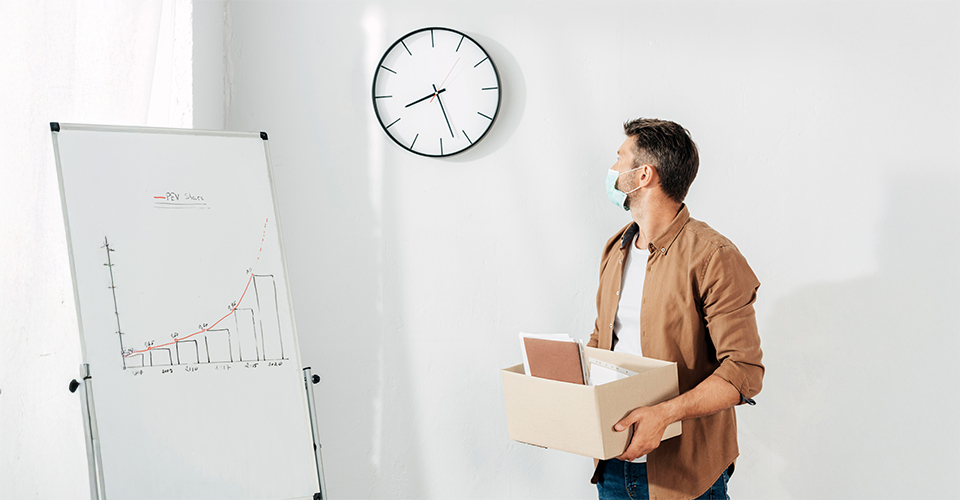
In the weeks leading up to your move, you may find yourself overwhelmed with the number of things that you need to accomplish.
You'll have to get your moving budget and finances in order, work with your real estate agent to iron out the details of your new home purchase and pack an entire household full of your belongings.
But if you manage your time, you'll be able to accomplish everything you need to on moving day.
Do you feel like there aren't enough hours in a day?
The best way to handle a move is with as much preparation and planning as possible.
Knowing exactly what has to be done beforehand is the key to staying one step ahead of the move and not allowing yourself to become stressed out, despite how busy you are.
You might find it difficult to pack and organize everything prior to the move, but with enough planning and preparation, you can put aside enough time to handle everything in an organized fashion.
Start Packing Early and Often to Save Time
Start early enough that you have enough time to get all packing and organizing done.
As soon as you set a moving date, you should begin organizing process.
The optimal time to begin planning for your move is two months before your moving date, and you should start packing a month before you move.
TIP: If you pack too early, you'll end up packing things that you need on a daily basis.
We love to procrastinate, especially when we dread doing something important and time-consuming like packing.
However, the less time you leave for yourself to pack, the more you will have to do pack on moving day.
Here are some tips to follow when you begin the packing process to help you manage your time carefully:
- Start by packing the items that you use least often.
They'll be sitting in boxes for quite some time, and you'll be unable to reach them easily.
- Set aside a few hours each day to organize your house and pack a few boxes.
By doing a little bit each day, you'll gradually get your packing done and you won't be hastily stuffing things into boxes the day before your moving day.
- Make a moving inventory list of everything that needs to be packed and organize it by room.
Then, prioritize which rooms you will pack first based on how often you use them.
Attack those rooms at the start of your packing, leaving your more frequently used rooms for later.
- Come up with a packing checklist, so you can keep track of what you've packed.
As you go from room to room, check off the items on your checklist.
Take inventory each day on what you have already accomplished and what still needs to be done.
Devise a packing schedule and stick to it, so nothing is forgotten amidst all of the constant activity.
Set aside a predetermined amount of time each day to pack and organize your belongings.
You can get a lot accomplished in a short amount of time by taking one or two hours each day and spending them packing or sorting through each of your rooms.
Make a Schedule for the Actual Moving Day
Sit down and create a detailed timeline for things like what time you'll wake up and when you plan to order lunch for everyone.
If you feel fully prepared, it'll be much easier to get sleep the night before and be well-rested the day of the move.
Decide a time limit for certain tasks on moving day, so you don't spend too much time on certain aspects of the move.
Have a clock visible at all times, and set reminders on your phone for 15 minutes before you plan to switch to a new task to keep yourself on schedule.
If you batch similar tasks together, you'll save time.
Multi-tasking, on the other hand, will end in a loss in productivity.
TIP: Leave buffer gaps in your schedule in case something runs over its allotted time slot.
Know Your Moving Goals and Prioritize Them
Consider everything you need to get done on moving day and label it as:
For example, double checking every room before you leave your old home is important but not urgent.
It doesn't matter what time you complete that task, as long as it's before you leave.
However, preparing for the moving company by bringing all your boxes down to the first floor is urgent and important, because it needs to be finished before the movers show up.
Eliminate Distractions to Stay on Track When Moving
If you have children or pets, find a babysitter or drop them off at a family member's house on moving day.
Once your focus shifts from moving to a roaming child or loose pet, it will be hard to concentrate on moving alone.
For their safety and to increase your productivity, leave them out of the equation.
Conclusion
A successful move is the result of planning and preparation well before moving day arrives.
Pacing yourself by sticking to a daily routine and getting around to the things that truly need to get done will help to prevent the final stretch from turning into chaos and ensure you keep your stress levels under control.
The more organized you can be, the easier the move will go from start to finish.
Having problems staying on track?
Get the help of trusted movers local to you and get FREE quotes today at movers.com!