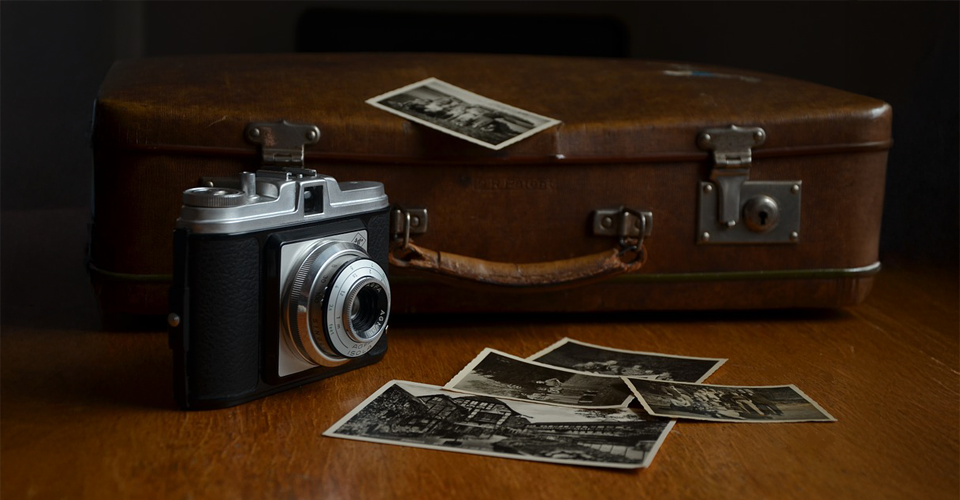
Everyone loves photographs, coz they capture moments in our history and preserve memories of the happiest times in our lives.
Weddings, graduations, birthdays, vacations, all of these milestones and memorable events are immortalized by photographs.
In the digital age, photograph storage has become much easier.
Preserving memories is as simple as saving them onto a disk or hard drive.
They can be printed and re-printed anytime you wish to, and you can store them in electronic format safe from damage or deterioration.
What About your Older Photographs?
Classic photographs developed from negatives can be easily ruined if exposed to improper storage and must be stored correctly in order to maintain the quality of the photographs.
If you want to store your collection of printed photos in a storage unit as you move households, then here are some storage tips.
What Causes Deterioration
There are a number of factors that lead to the deterioration of the photos.
High temperatures, humidity levels, and exposure to light can result in photos that are cracked, dull, and peeled.
Too much dampness can cause the photos to stick together and become infested with insects.
Cyclic temperature conditions (dramatic fluctuations from high to low temperatures and humidity) are also damaging.
Dust, dirt and oils from your hands when handling photos improperly can contribute to deterioration as well.
How to Protect Your Photos
Use climate-controlled storage:
The best option for preventing damage to your photos is keeping them in a climate-controlled storage unit.
The optimal conditions for storing photos are in moderate temperatures (between 65 to 70 degrees Fahrenheit) and around 50 percent humidity.
Although climate-controlled storage costs a little more, if you have a large collection of treasured photographs, it is a worthy investment to preserve these irreplaceable items.
Don't mix the bad with the good:
If you have photographs that are beginning to rot, be sure not to store them with photos that are still in good condition.
A photo that is starting to decay may emit a vinegar-like odor.
Keep these photos in their own box so that they don't compromise the integrity of your other photos.
All it takes is one bad photo to spoil the quality of the rest.
Keep your photos separated:
When storing your photographs, you should never let them come in direct contact with one another.
They can stick together and ruin the image without a barrier in between their surfaces.
If your photos are not stored in albums, keep a sheet of acid-free paper between each one in the box.
The same rule applies to your negatives as well.
Use the proper materials:
When storing photographs, make sure you are using only acid-free materials.
Storage boxes of archival quality can be purchased at photography and craft stores and will protect your photos from light, dust, dirt and pests.
If you will be keeping your photographs in photo albums for storage, they should also have acid-free pages.
Stay away from albums with polyvinyl pages or black paper albums.
Polyvinyl pages have a clear magnetic film that holds your photo to a stiff paper backing, but the adhesives used in these kinds of albums can be very damaging to your photos.
Black paper album pages contain dyes that are harmful to photos.
Albums made from acid-free paper and PVC-free plastic are optimum for protecting your photographs from fading, yellowing, and deteriorating.
You can purchase these at most craft stores, photography and drug stores.
Avoid storing your photos in plastic zipper storage bags or envelopes, only use products designed for photo storage to preserve the quality of your pictures.
You should also never use glues or tape to mend photos or hold them in albums.
The acids and sulfur in these adhesives will contribute to the deterioration of your photos.
Don't write on the backs of your photos:
You may want to document the event captured in your photo by writing on the backside, but the acids in the ink can eat away at your photograph.
Regular ball-point or other pens do not contain ink that is safe for use on pictures.
You can purchase pens containing acid-free ink for writing on photos, or opt to use a soft lead pencil instead.
Check regularly for pests:
Routinely check your storage unit for the infestation of insects or rodents that could feast on your prized photos.
You may want to ask the manager of your storage facility how often they are sprayed for pests before you decide to rent at the location.
Regularly dust and clean your storage unit as well to help prevent pest problems.
If you are using the proper storage boxes or albums for your photos, they will significantly protect your pictures against damage from vermin.
Conclusion
Printed photos cannot be replaced, and if you don't store them properly, there's the risk of faded colors, cracked photos, mold, or photos sticking together for good.
The best way to handle the storage of printed photos to keep them safe for longer is to arrange for storage within a storage facility with climate control, proper storage containers, and keeping photos safe from moisture, humidity, pests, or touching.
To keep your cherished photos looking picture-perfect for longer, follow proper storage methods and arrangements, or count on movers.com for assistance if you're looking for the best storage facility for more delicate items such as photo albums or family treasures.