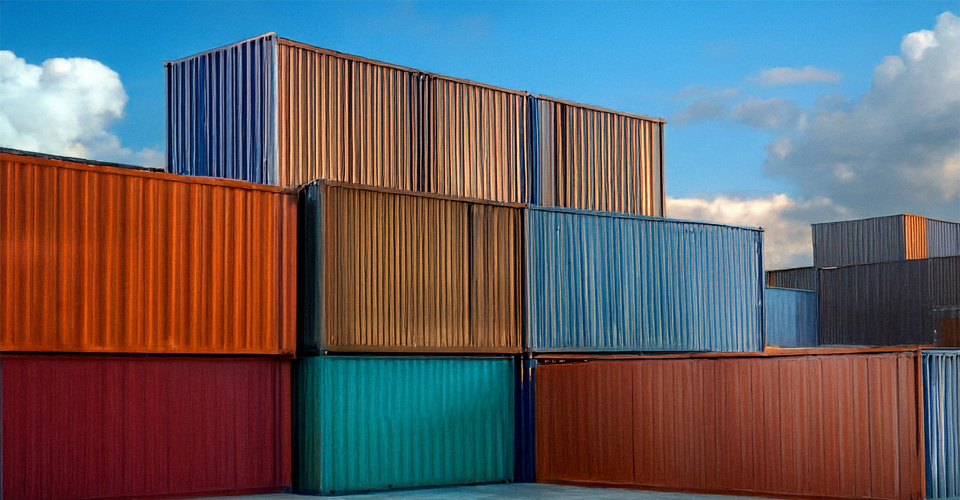
Depending on where you live, your goods may be subject to conditions that can adversely affect your belongings in a storage unit, so it's important that you take the necessary steps to make sure that your precious items are protected.
Two of the most common ways in which items in a storage unit are damaged are water and fire, however there are plenty of other ways nature can wreak havoc on your storage unit and the items you have safeguarded inside.
Some of these we are powerless to protect against, some are easily avoidable and others may even be entirely preventable.
Knowing what to expect and what to protect against will go a long way, and you'll be able to rest easy knowing that you've done all you can to keep your belongings safe.
Flooding
The dangers of flooding don't only exist for people who live near the coastal regions, flooding is a real issue for millions of people who live in low-lying areas.
Although water damage is the not usually the first thing on our minds when we pack our items into a storage unit, it's a real concern and one that you should prepare for, especially if you live in an area that is prone to frequent flooding.
The real problem with water damage in storage units is that it doesn't take a lot of water to do a lot of damage.
In fact, all it really takes is a little bit of water to cause big problems.
Storage facilities that are in low-lying areas prone to floods are especially vulnerable, and water damage is the second leading cause of headaches for storage unit renters, behind theft.
One of the best ways to prepare for potential floods and protect your items from serious water damage is to create shelves along the perimeter of the unit and place your most valuable belongings on the shelves, elevated and up off the ground in case the unit is flooded.
Making shelving for your storage unit also has its bonus benefits, in that it will help to keep your unit neatly organized.
Make sure that the last row of shelves is at least a foot off the ground so your belongings will be clear of the water if there is ever a flood.
Moisture
In addition to placing your belongings on shelves, you should also keep your most vulnerable items in air-tight plastic containers that will prevent any water from getting inside.
All of your clothes, paper documents, and any other item that can be damaged by water should be kept in plastic containers to protect from moisture.
Since even a small amount of moisture can do a lot of damage to certain items if left alone for long periods of time, you should also protect against moisture build-up inside of the storage unit by placing moisture-absorbers in the unit.
You can find DampRid at just about any supermarket and it works well in absorbing moisture in a room.
For people who live in humid climates where moisture is always present, making sure the inside of your storage locker isn't a dark, damp environment is an important part of keeping your belongings safe.
Even a small amount of moisture can spur the growth of bacteria that can seriously damage your belongings.
Also, check the storage unit for any cracks in the ceiling or along the floor where extra moisture can seep in.
Fire
Fire damage is another potential threat that storage unit renters face when keeping their belongings at a storage facility.
While much less common than theft or water damage, the danger of fire is still a real threat that is only exacerbated by the types of items that are typically stored in most storage units.
A lot of what you'll find in your typical storage locker is either made of wood (furniture), cardboard (boxes) or other highly flammable material like clothing.
The high abundance of these materials makes it highly likely for a fire to spread quickly if one ever occurs.
Before you decide on a storage facility, make sure to check and see if they have the proper safety measures in place to guard against fires, such as easy access to fire extinguishers throughout the facility and their policies on storing dangerous or flammable chemicals or other combustible materials that can start fires.
Takeaway
- Storage units can expose your belongings to risks like water damage, moisture buildup, and fire.
- Elevating items off the ground and using shelving helps reduce flood-related damage.
- Airtight plastic containers and moisture absorbers protect sensitive items from humidity.
- Planning ahead and using the right materials can prevent costly and irreversible damage.
Note
Not all damage to stored items is unavoidable. While natural conditions cannot always be controlled, proper preparation, smart packing, and choosing the right storage facility can significantly reduce risks.
A little extra effort upfront can save you time, money, and stress later.
Bottom Line
Protecting your belongings in storage starts with the right planning and precautions.
If you are preparing for a move or need short- or long-term storage, our moving specialists can help you make informed decisions every step of the way.
Request a free moving quote to see available options and pricing for your move.
Talk to our moving specialists for personalized guidance and support.
Explore our moving guides for expert tips, storage advice, and practical moving insights to keep your move safe and stress-free.