If you are planning a move and thinking about renting a moving truck, U-Haul is probably one of the first names that comes to mind. The company operates thousands of locations across the United States and offers a range of trucks designed for everything from small apartment moves to large household relocations.
But one question stops many people before they book:
What size U-Haul truck do I need, and how much will it cost?
Whether you're moving from a studio apartment or a four-bedroom home, choosing the right truck size can save time, money, and unnecessary trips. This guide compares U-Haul truck sizes, cargo capacities, and typical rental prices so you can confidently choose the best truck for your move.
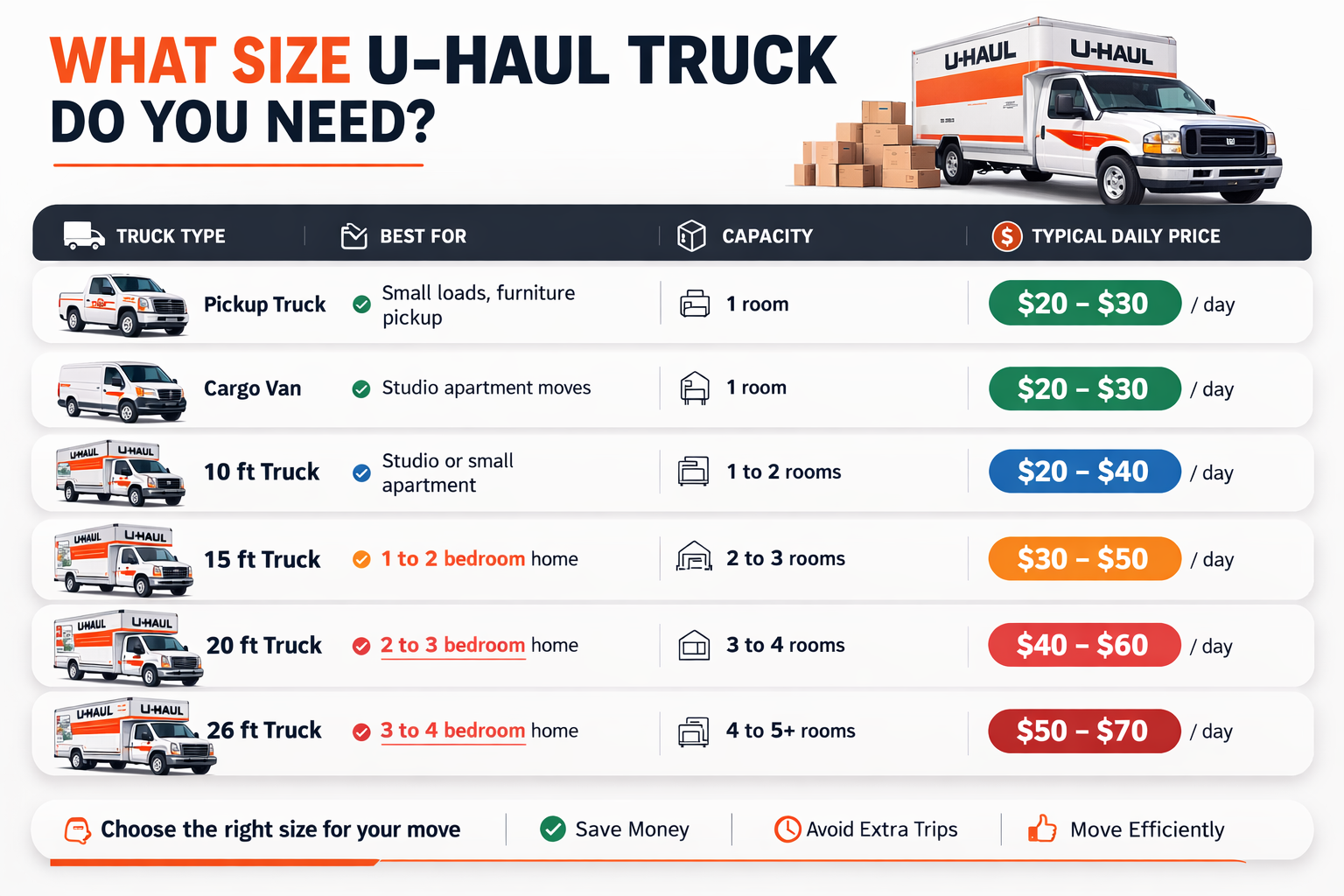
Choosing the wrong truck can turn a simple move into a stressful one. A truck that is too small means multiple trips. A truck that is too large costs more than necessary and can be harder to drive. On top of that, rental prices are not always as simple as the advertised daily rate.
This guide breaks down U-Haul truck sizes, rental prices, and capacity so you can understand exactly what to expect before you reserve a truck.
By the end of this guide, you will know:
- The full range of U-Haul moving truck sizes
- U-Haul truck rental prices for different moves
- What each truck size can realistically fit
- Hidden fees that increase rental costs
- When renting a truck makes sense and when hiring movers may be easier
Moving should not feel complicated. Once you understand truck sizes and pricing, choosing the right option becomes much easier.
TL;DR - U-Haul Truck Sizes Chart: Quick Overview
U-Haul offers several types of rental vehicles designed for different move sizes. These range from pickup trucks and cargo vans to large moving trucks capable of transporting the contents of a four-bedroom home.
Here is a simple U-Haul truck size chart to help you compare your options.
| Truck Type |
Best For |
Capacity |
Cargo Space |
Typical Daily Price |
| Pickup Truck |
Furniture pickup |
1 room |
~76 cu ft |
$20 to $30 |
| Cargo Van |
Studio move |
1 room |
~245 cu ft |
$20 to $30 |
| 10 ft truck |
Small apartment |
1 to 2 rooms |
~400 cu ft |
$20 to $40 |
| 15 ft truck |
Small house |
2 to 3 rooms |
~764 cu ft |
$30 to $50 |
| 20 ft truck |
Medium home |
3 to 4 rooms |
~1,016 cu ft |
$40 to $60 |
| 26 ft truck |
Large home |
4 to 5+ rooms |
~1,682 cu ft |
$50 to $70 |
These base rates often look inexpensive at first glance. However, the final U-Haul truck rental cost usually includes mileage charges, fuel, taxes, and optional equipment.
Understanding how those costs add up is essential before booking a rental.
Seasonal Pricing Notice
Moving truck rental prices change throughout the year based on demand. Rates are usually highest between May and September, especially during weekends and the beginning or end of each month. If your moving dates are flexible, booking during the off-season or on weekdays may help reduce your total rental cost.
Is a 20-foot U-Haul Truck Big Enough?
A 20 ft U-Haul truck is usually large enough for the contents of a two or three bedroom home.
It typically fits:
- Several beds
- Living room furniture
- Major appliances
- Dining room furniture
- 50–80 moving boxes
For many households, the 20 ft truck provides enough cargo space without the driving difficulty of the larger 26 ft truck.
If you are moving a larger household or a four-bedroom home, the 26 ft truck is usually the safer option.
U-Haul Truck Rental Prices: What It Actually Costs
Many people assume a moving truck rental costs about twenty dollars because that is the price advertised in many locations.
In reality, the true cost to rent a U-Haul truck usually includes several additional charges.
Typical price components include:
- Base daily rental rate
- Mileage fees
- Fuel costs
- Insurance coverage
- Taxes and environmental fees
- Equipment rental such as dollies or pads
A realistic cost breakdown for a local move might look like this:
| Truck Size |
MPG |
Estimated Fuel Cost |
| 10 ft truck |
~12 MPG |
$30–$40 |
| 15 ft truck |
~10 MPG |
$40–$50 |
| 20 ft truck |
~10 MPG |
$40–$55 |
| 26 ft truck |
~8 MPG |
$50–$70 |
Actual fuel costs depend on gas prices and driving conditions.
U-Haul Moving Truck Sizes Explained
Understanding each truck type helps you avoid renting more space than necessary or discovering halfway through packing that you need a bigger truck.
Below is a detailed U-Haul truck size guide explaining what each option is designed for.
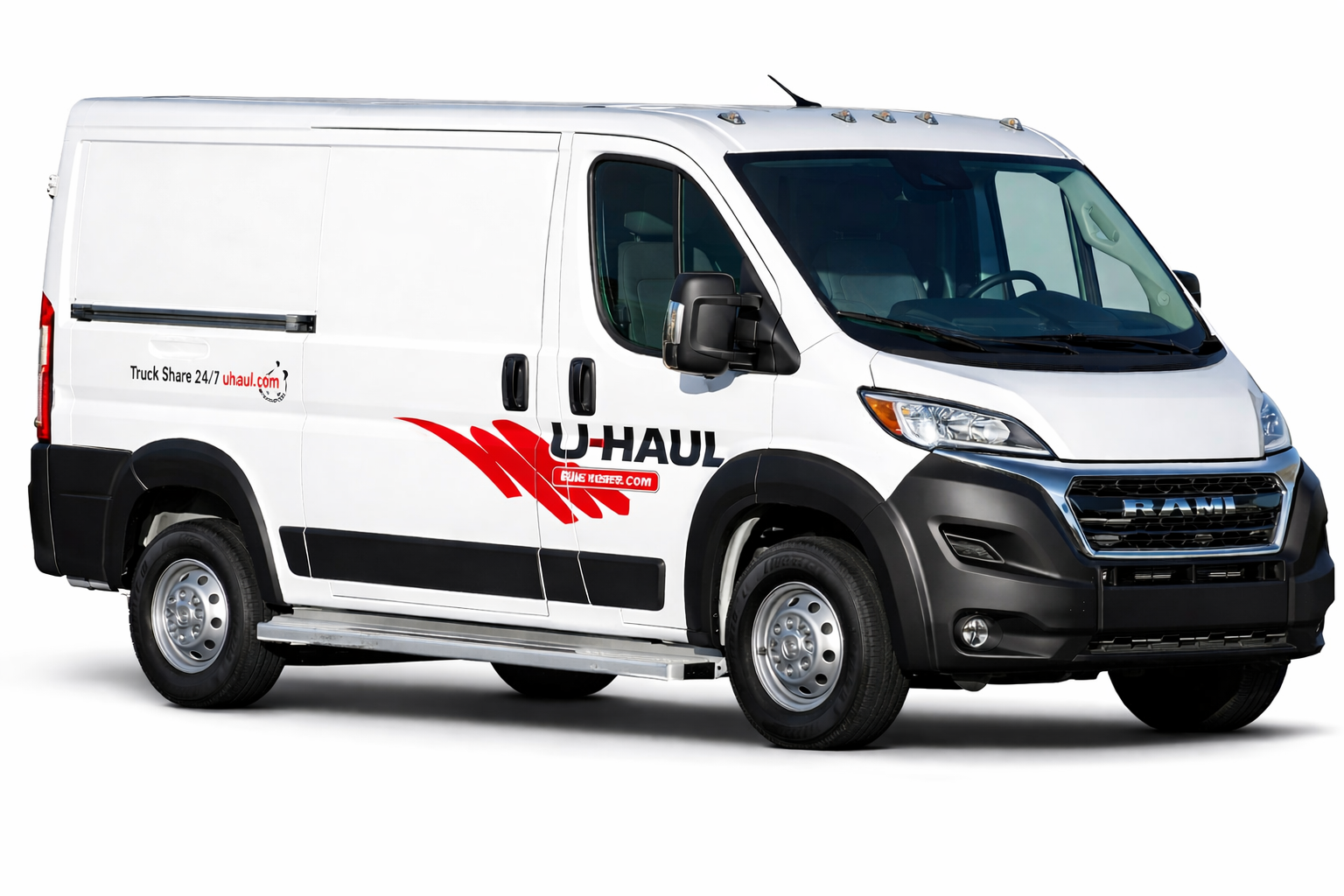
Cargo Van
Cargo vans are often used for tiny moves or transporting a few pieces of furniture.
Best for:
- Studio apartments
- College moves
- Furniture pickups
- Small local moves
Capacity:
Pros
- Easy to drive
- Fits in normal parking spaces
- Good fuel efficiency
Cons
- Not suitable for full apartment moves
10-Foot U-Haul Truck
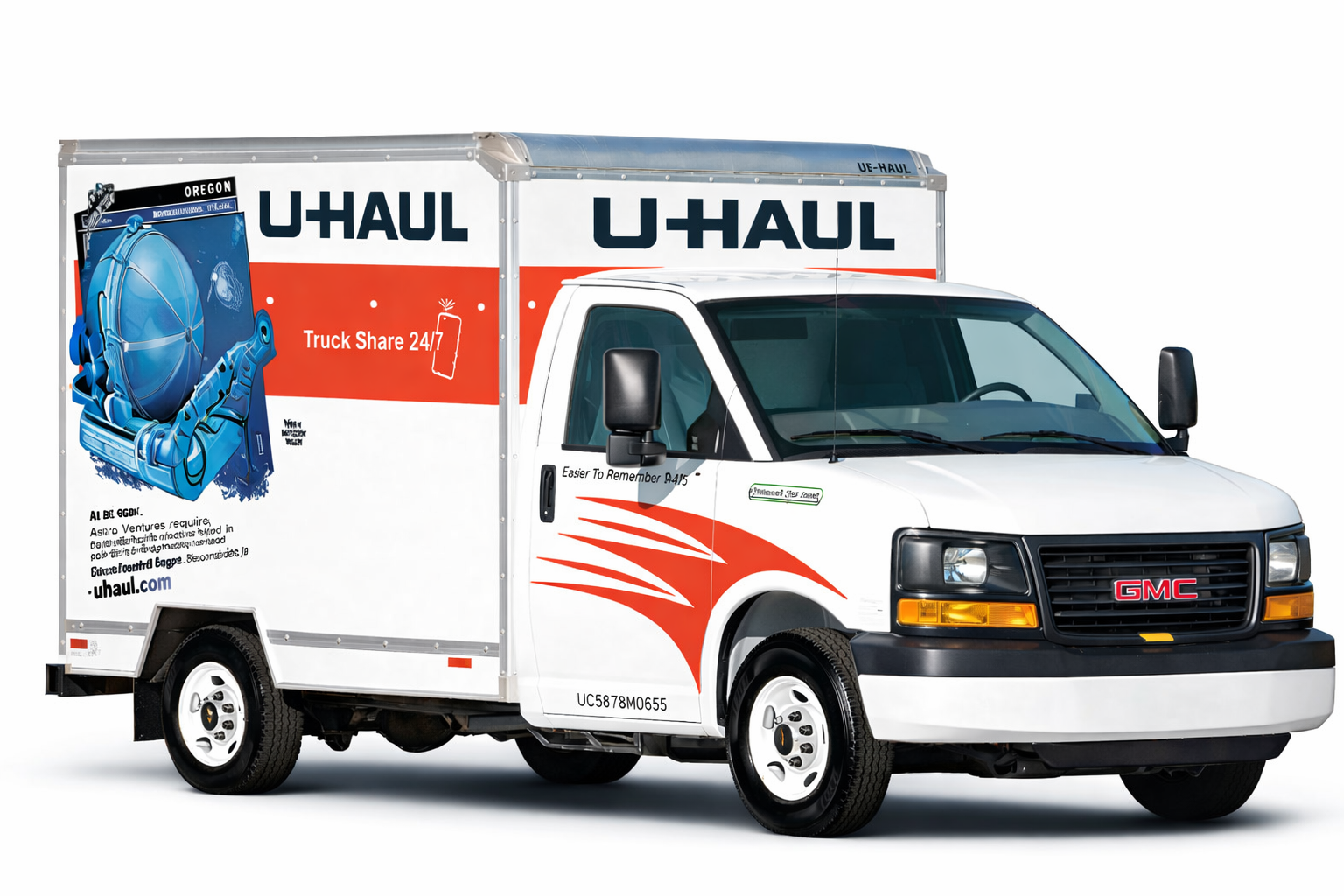
The 10 ft truck is often recommended for small apartment moves.
Best for:
- Studio apartments
- Small one-bedroom homes
- College moves
- Short-distance relocations
Capacity:
- Studio apartment
- Small one-bedroom home
- Mattress set
- Sofa
- Several boxes
Key details:
- Approximate capacity of 400 cubic feet
- Usually does not require a ramp
- Good for short-distance moves
15-Foot U-Haul Truck
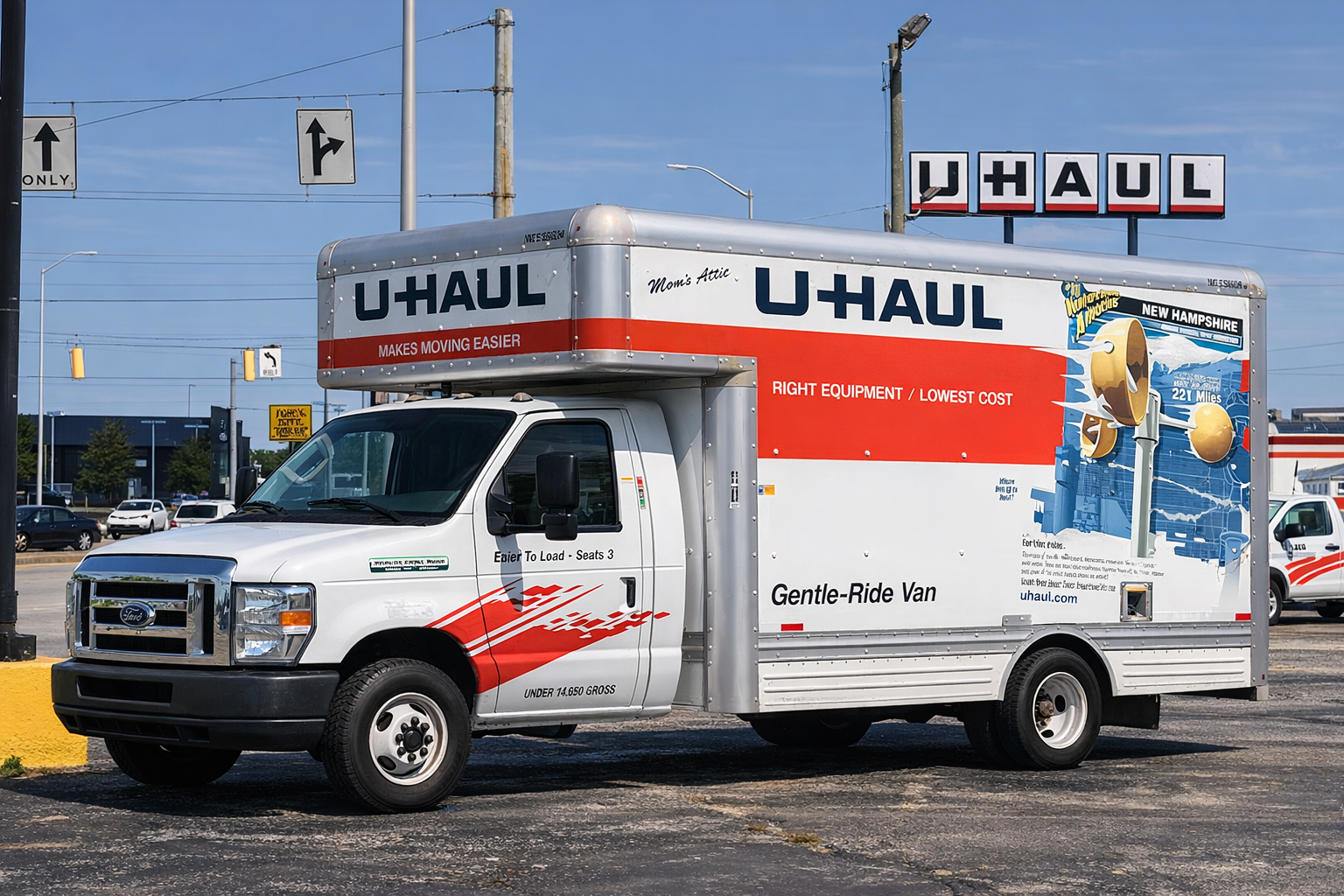
This truck size works well for small family homes.
Best for:
Capacity:
- One or two bedroom apartment
- Medium furniture pieces
- Appliances such as refrigerators
- Several dozen boxes
Advantages
- Built in loading ramp
- More cargo space without dramatically increasing driving difficulty
20-Foot U-Haul Truck
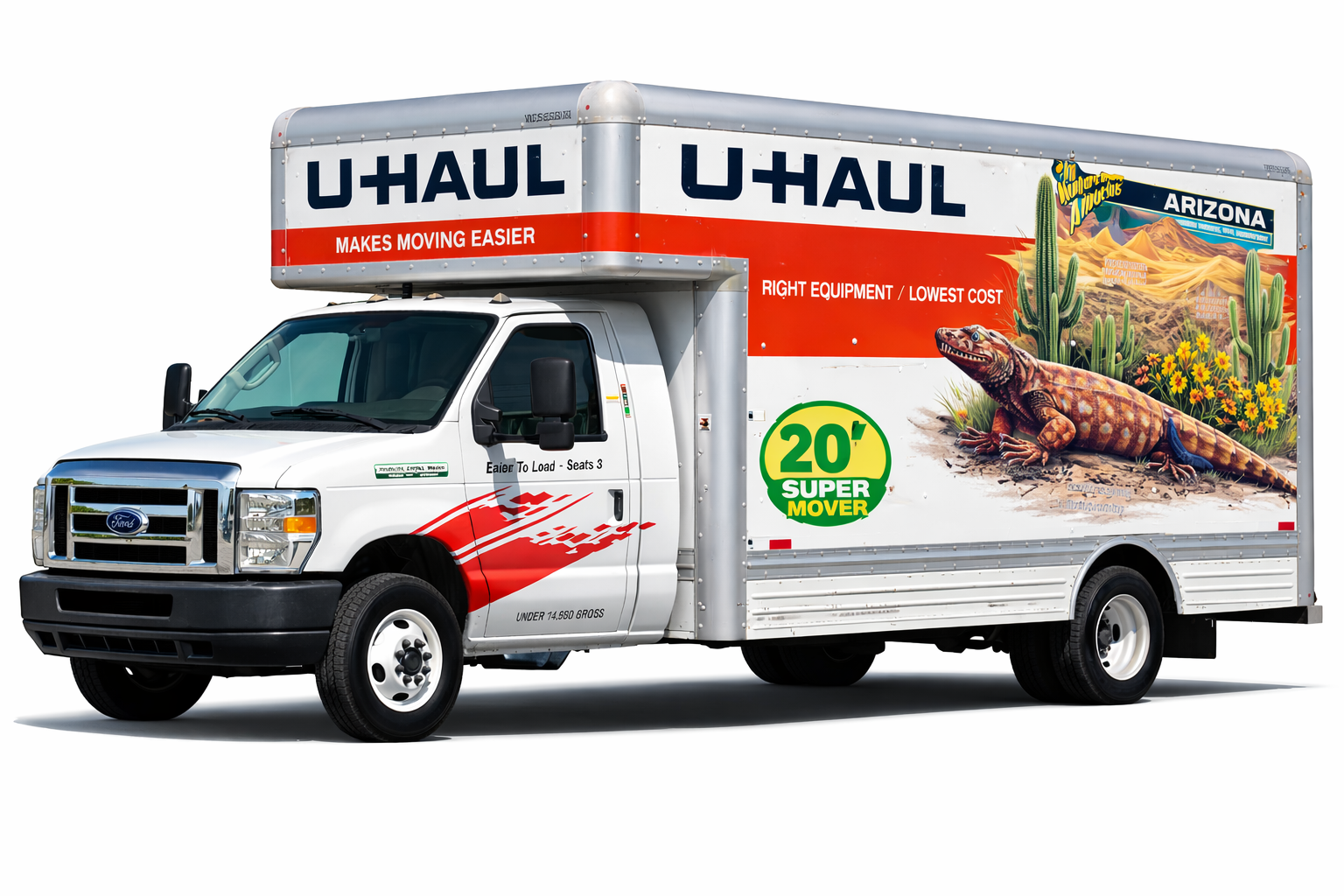
The 20 ft truck is one of the most commonly rented moving trucks because it handles larger household moves.
Best for:
Capacity:
- Two to three bedroom home
- Large furniture items
- Major appliances
- Large number of boxes
This truck size is often recommended for long-distance relocations.
Why the 20-Foot Truck Is So Popular
The 20-foot truck is one of U-Haul's most frequently rented trucks because it offers a balance between cargo space and drivability. It's large enough for many family moves while remaining easier to maneuver than the 26-foot truck.
26-Foot U-Haul Truck
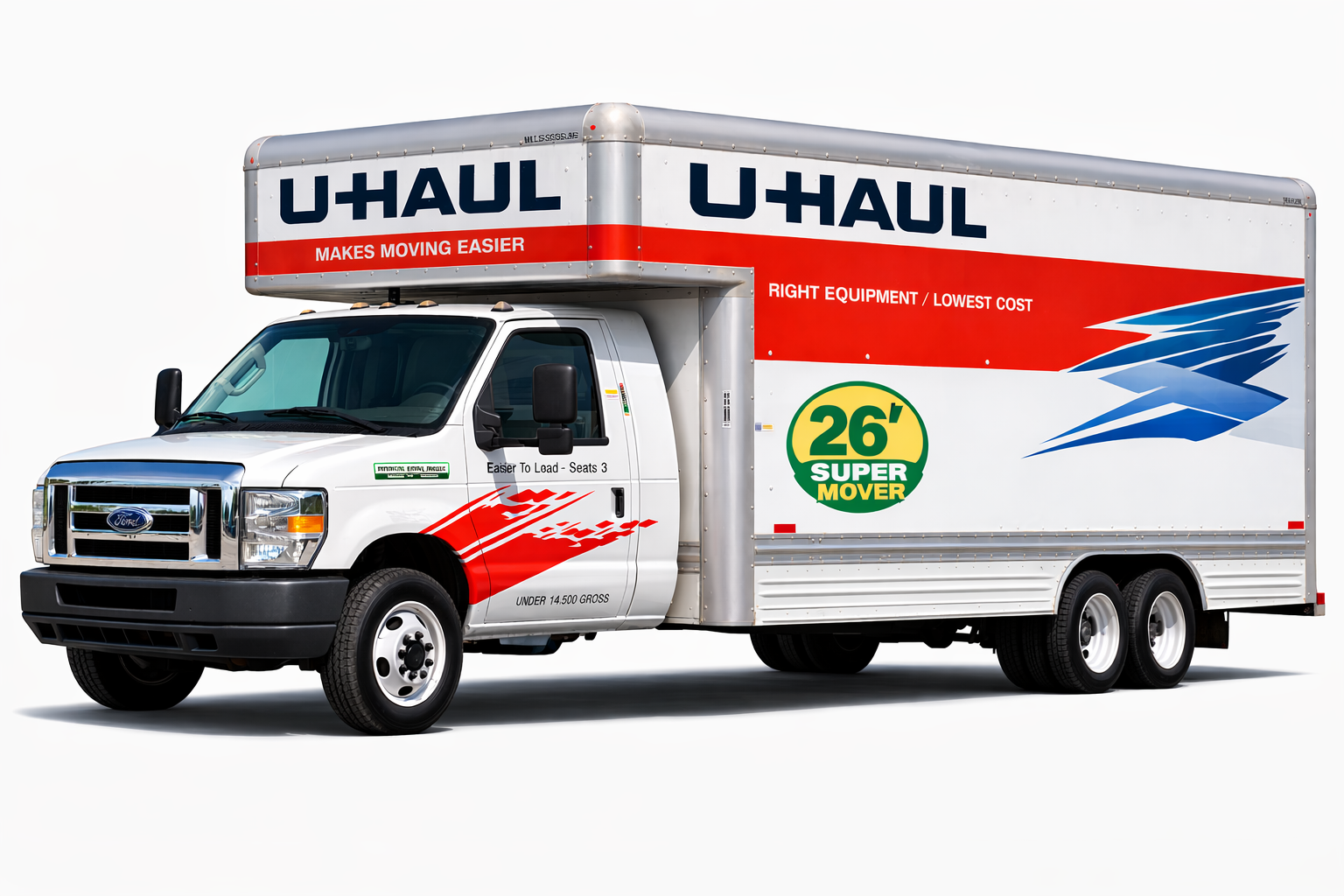
The 26-foot truck is the largest moving truck available from U-Haul. It's best suited for households with large furniture, multiple bedrooms, or long-distance moves where making a second trip isn't practical. Because of its size, drivers should allow for longer stopping distances and wider turns.
Best for:
- Three- to four-bedroom homes
- Large households
- Moves with bulky furniture and appliances
- Long-distance moves where a second trip is not practical
Capacity
- Three to four bedroom homes
- Large furniture collections
- Full household moves
Advantages
- Maximum cargo capacity
- Fewer trips required
Challenges
- Harder to maneuver in city areas
- Requires careful driving in tight spaces
Hidden Costs Most Renters Do Not Expect
The biggest mistake many renters make is assuming the advertised daily rate reflects the total cost.
Several factors can significantly increase the final price.
Common hidden costs include
- Mileage charges that increase the total bill
- Fuel costs for larger trucks
- Environmental and administrative fees
- Insurance coverage requirements
- Equipment rental
- Hotel and Meal Expenses
Long-distance DIY moves often require overnight hotel stays, meals, tolls, and parking expenses. While these costs may seem minor individually, they can add hundreds of dollars to the overall cost of your move. Another overlooked cost is time. Loading and driving a rental truck can take much longer than expected.
When comparing options, it is important to weigh the true cost of renting a U-Haul truck versus hiring professional movers.
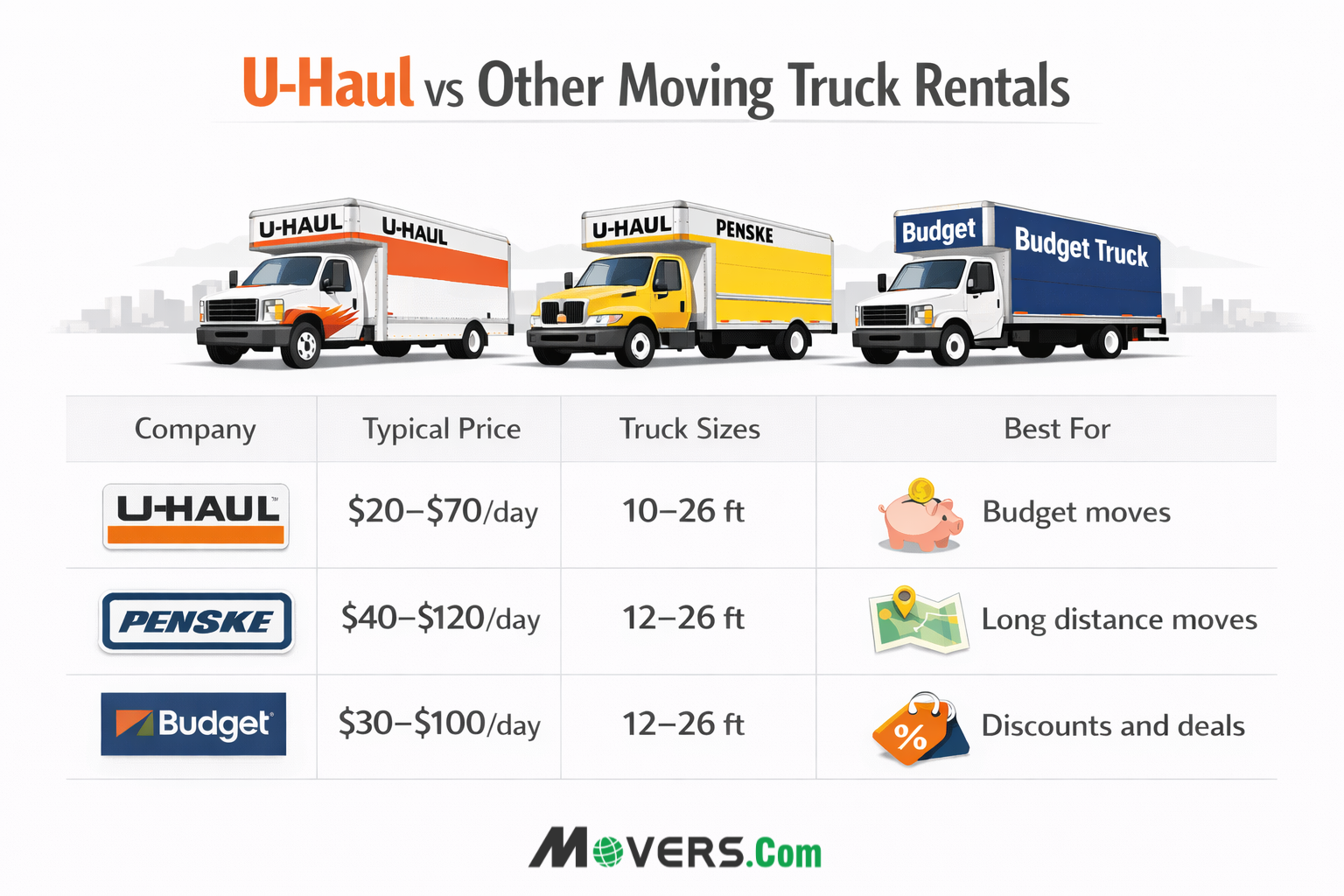
U-Haul Truck Comparison: Which Size Should You Choose?
Choosing the correct truck size depends less on square footage and more on how many items you are moving.
Here is a simplified comparison guide.
If you are unsure between two sizes, choosing the larger option usually saves time and avoids multiple trips.
When Renting a Moving Truck Makes Sense
Renting a moving truck is usually the better option if you:
- Want complete control over your moving schedule.
- Have friends or family available to help with loading and unloading.
- Are comfortable driving a larger vehicle.
- Want to save money on a local move.
Renting a truck can be a good option for certain types of moves.
It works best when:
- The move is local
- You have help loading and unloading
- You are comfortable driving a large vehicle
- The household size is small to moderate
However, renting a truck means handling every part of the move yourself.
That includes:
- Packing
- Loading furniture
- Driving the truck
- Fueling the vehicle
- Unloading at the destination
For larger homes or complex moves, many people find that hiring movers is easier and often not significantly more expensive.
When Hiring Professional Movers Is the Better Choice
DIY truck rentals often appear cheaper at first, but they require a lot of physical effort and coordination.
Professional movers can handle:
- Packing fragile items
- Loading furniture safely
- Transporting belongings efficiently
- Reducing the risk of damage
They also remove the stress of driving a large truck through unfamiliar areas.
For families, long-distance moves, or households with many belongings, hiring movers often saves both time and energy.
Professional movers may be the better choice if you:
- Have heavy or specialty furniture.
- Are moving long distance.
- Have limited time to complete the move.
- Prefer to avoid lifting, and loading.
Tips for Choosing the Right U-Haul Truck
- Measure large furniture before booking.
- Consider garage, attic, and basement items.
- Reserve early during peak moving season.
Don't forget dollies, moving blankets, and packing supplies.
Driving Difficulty Indicator
| Truck |
Driving Difficulty |
| Cargo Van |
Easy |
| 10-ft |
Easy |
| 15-ft |
Moderate |
| 20-ft |
Moderate |
| 26-ft |
Most Challenging |
Which U-Haul Truck Size Do You Need?
Choose:
10-foot
15-foot
- One-bedroom apartment
- Two-bedroom apartment
20-foot
- Two- to three-bedroom home
- Large furniture
- Appliances
26-foot
- Three- to five-bedroom home
- Large household
- Long-distance move
Still Not Sure Which Truck Size to Choose?
If you're between two truck sizes, renting the larger truck is often the better decision. Running out of space can mean making multiple trips, increasing fuel costs, mileage, and moving time. A slightly larger truck is usually less expensive than renting a second vehicle or repeating the trip.
Compare Truck Rentals and Professional Movers
Renting a truck isn't always the lowest-cost option once mileage, fuel, equipment, and your time are included. Before booking, compare quotes from licensed movers to see which solution offers the best value for your move.
Editor's Note
This guide, reviewed by our Moving Industry Analyst team, is based on publicly available pricing, customer reviews, and regular moving scenarios.
Get expert moving tips and compare movers for free at Movers.com.
You can get free moving quotes from licensed and insured movers, compare moving companies near you, and plan your move with confidence using our step-by-step moving guides and checklists.
Whether you’re planning a local move, a long-distance relocation, or need help with packing and loading, Movers.com connects you with trusted moving professionals and practical tools to make moving easier and more affordable.
Questions? Talk to our moving specialists